Compare Tire Sizes With Confidence
A tire size calculator makes it much easier to compare an original setup with a potential replacement before you spend money on new tires or wheels. A small change in width, aspect ratio, or wheel diameter can alter overall tire height, circumference, and even the way your speedometer reads. That matters for everyday driving, highway comfort, and basic fitment checks.
What This Calculator Shows
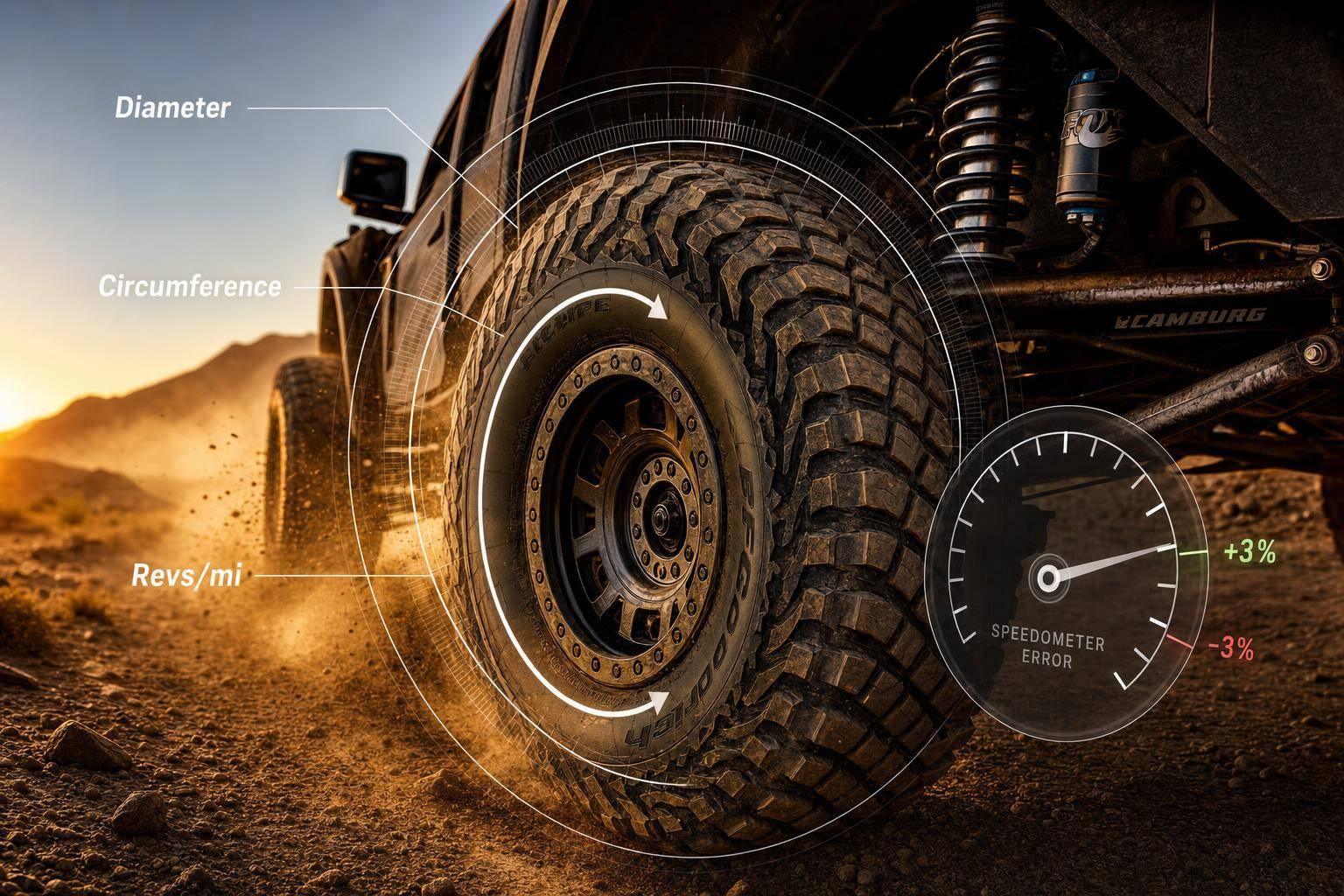
This tool breaks down the numbers in a way that’s easy to understand. You can compare total diameter, circumference, ride height change, and revolutions per mile side by side. If you enter a speed value, it also estimates your corrected speed based on the difference in tire circumference.
Why Tire Comparison Matters
Using a tire size calculator helps you catch issues before they become expensive mistakes. A taller tire may raise ride height and reduce revs per mile, while a smaller one can make the speedometer read differently and slightly change the feel of acceleration. For anyone shopping for alternate sizes, checking the math first is a practical step.
Fast, Clear, and Easy to Use
Whether you’re comparing stock tires to a new setup or doing a quick tire comparison for fitment research, this tool gives you clean answers without extra clutter.
FAQs
How do I read a tire size like 225/45R17?
A tire size such as 225/45R17 has three main parts. The 225 is the tire width in millimeters. The 45 is the aspect ratio, which means the sidewall height is 45% of the tire’s width. The 17 is the wheel diameter in inches. This calculator uses those three numbers to estimate the tire’s overall diameter and circumference so you can compare one size against another.
Why does a small tire size change affect the speedometer?
Your speedometer is tied to how far the tire travels in one full rotation. If the new tire has a larger circumference, it covers more ground per revolution, so your actual speed will be a bit higher than the speed shown on the dash. If the new tire is smaller, the opposite happens. Even a modest change in overall diameter can shift speedometer readings, which is why checking the numbers before switching sizes is a smart move.
What tire size difference is usually considered acceptable?
A lot of drivers try to stay within about 3% of the original tire diameter, though the best limit depends on the vehicle, drivetrain, clearance, and manufacturer recommendations. Staying close helps preserve speedometer accuracy, gearing feel, and fitment. This tool gives you the diameter difference, percentage change, ride height change, and revs per mile so you can make a more informed decision instead of guessing.
Leave a Reply